4.1 Optimization of Application Workflow:
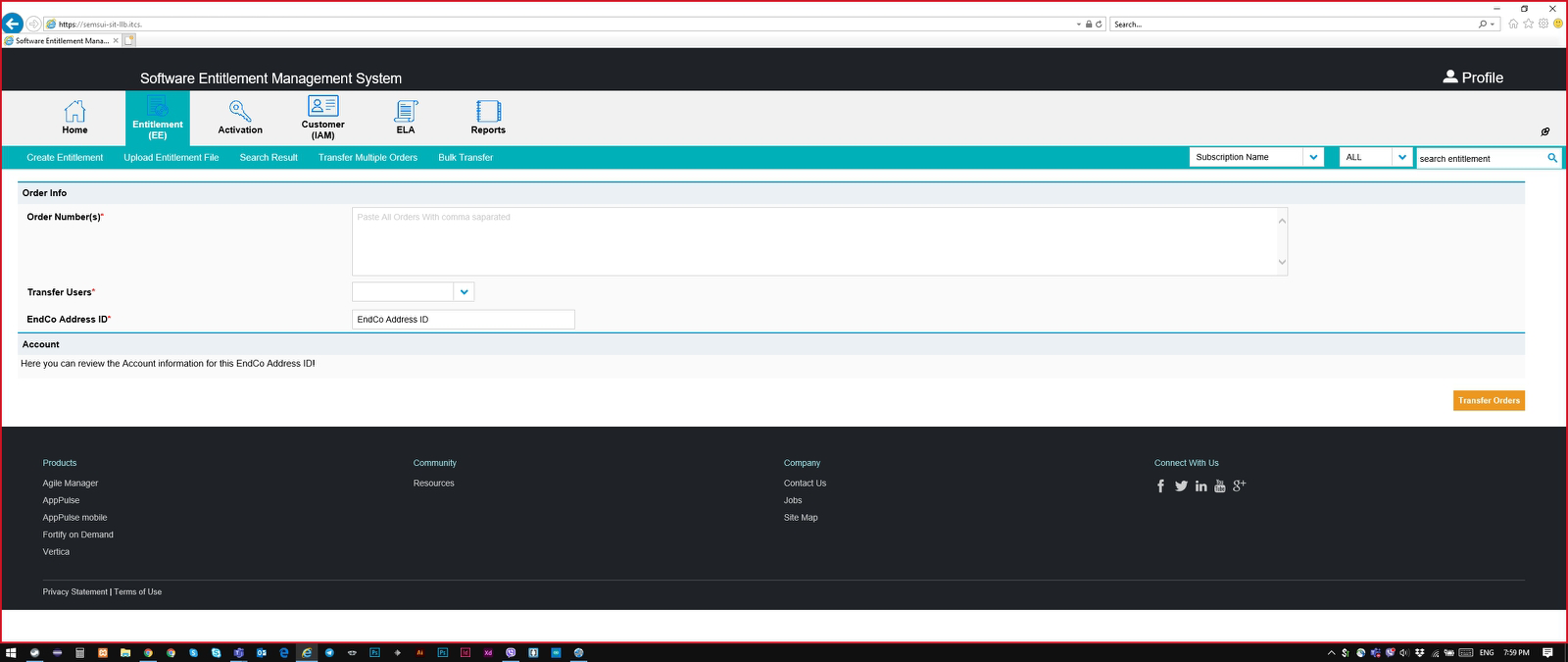
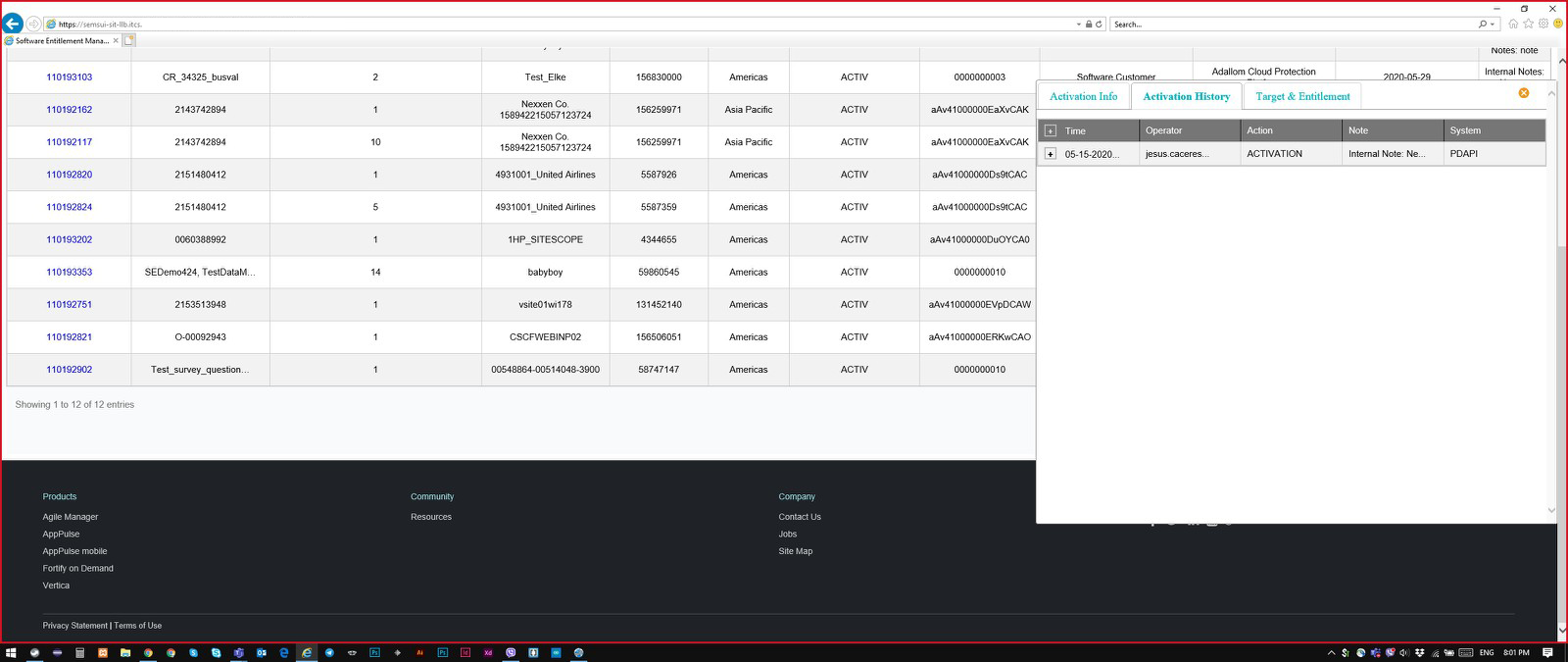
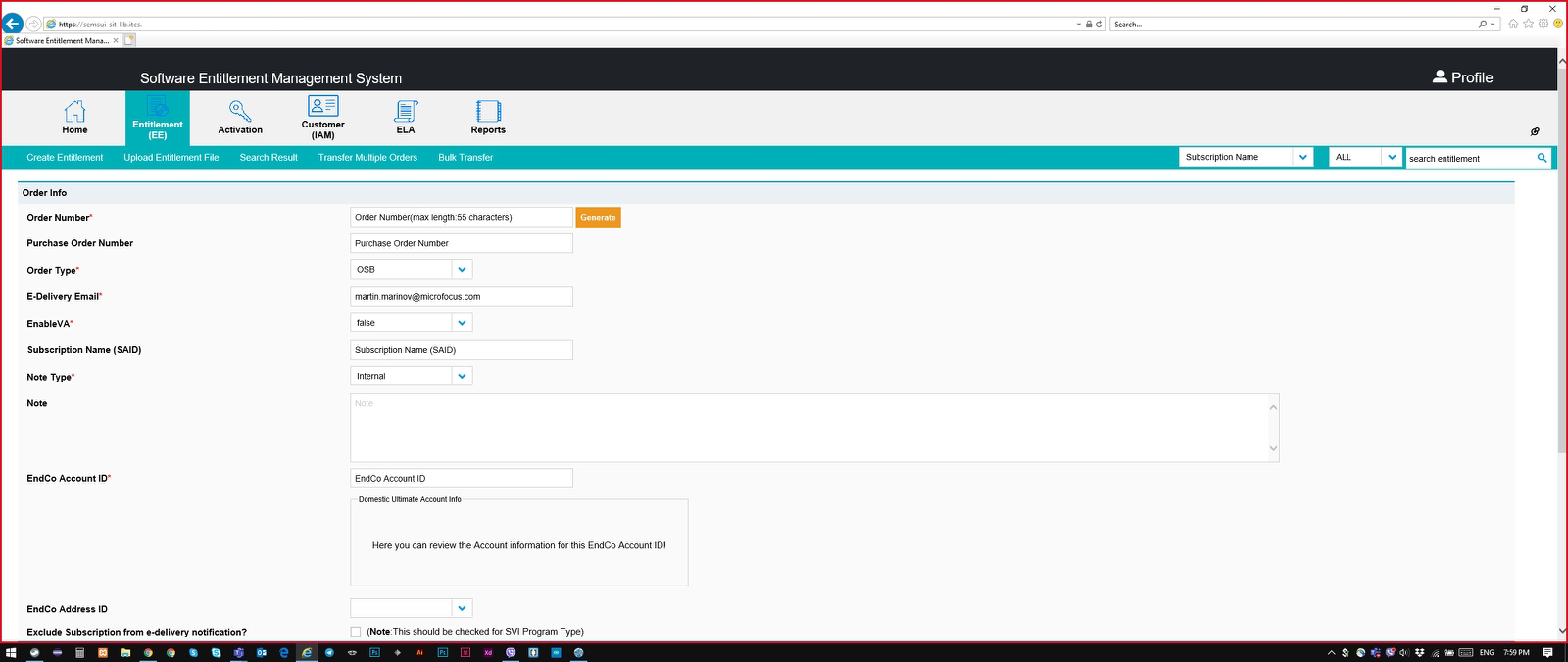
The redesigned SEMS/LEMS application focused on simplifying the workflow by reducing unnecessary steps and introducing task-based interfaces. Frequently performed actions were made more accessible, and wizards were implemented to guide users through complex processes. The aim was to minimize the time and effort required to manage application certificates.
4.2 Responsiveness:
To address the issue of responsiveness, a responsive design approach was adopted. The user interface was designed to adapt seamlessly to different screen sizes and resolutions, ensuring that users could access the application on a wide range of devices, including smartphones and tablets.
4.3 User Permission Levels and Roles:
Clear and granular user permission levels were defined to ensure appropriate access control within the application. User roles were established, such as administrators, managers, and license administrators, each with distinct permissions and responsibilities. This allowed for more efficient management of licenses and improved security.
4.4 Functional Dashboards:
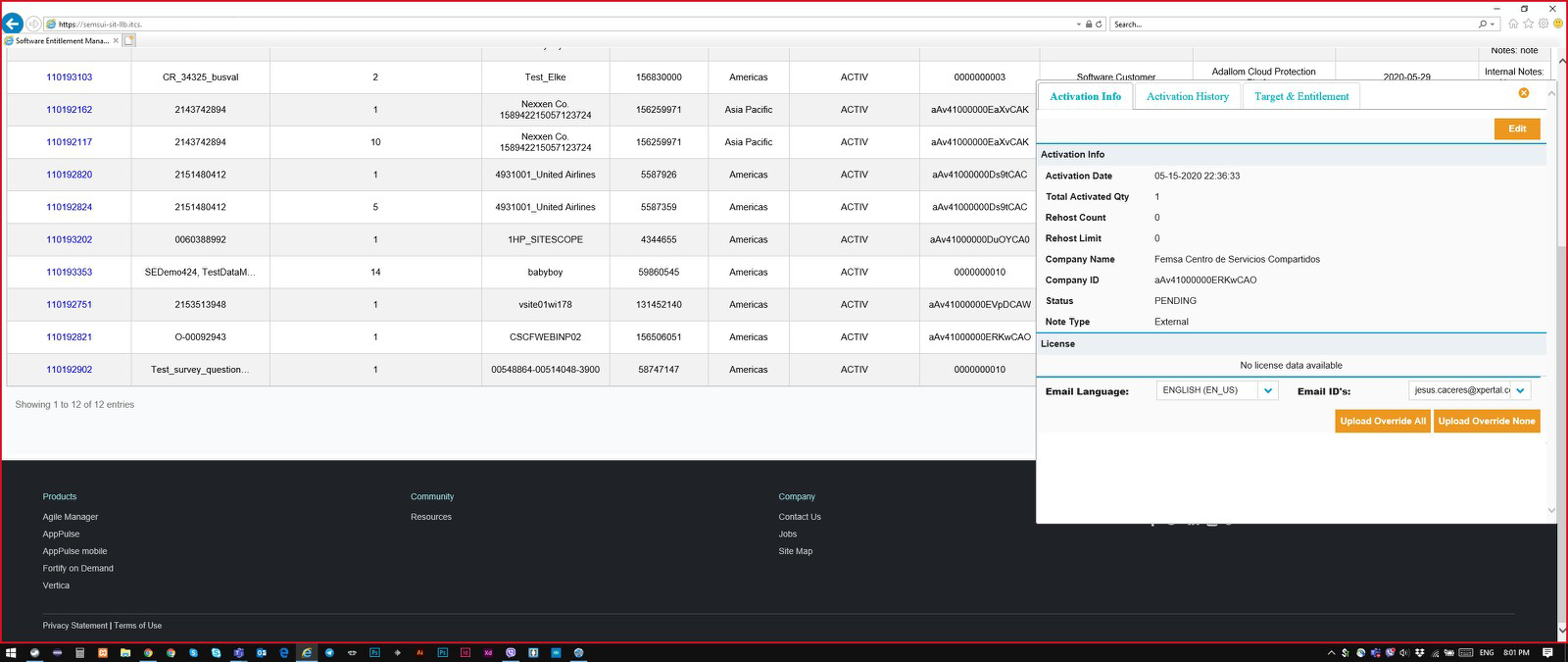
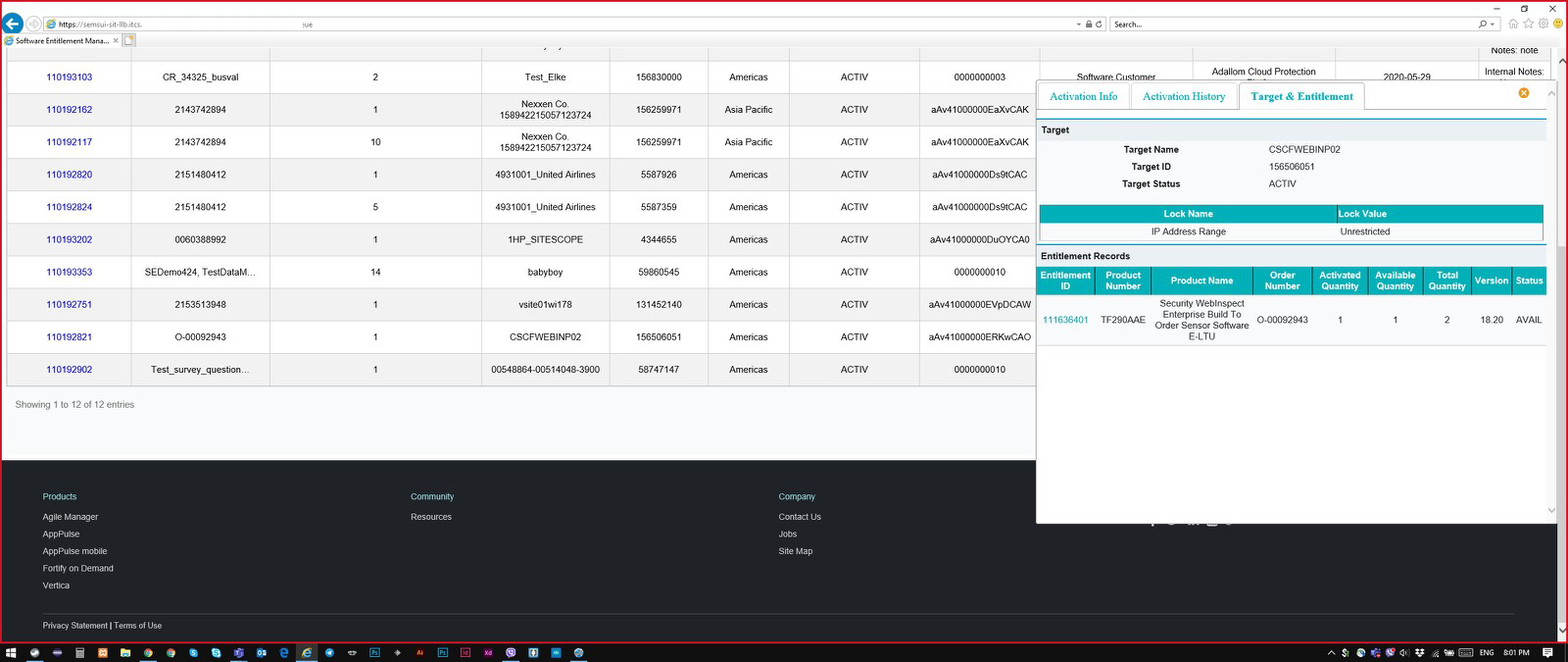
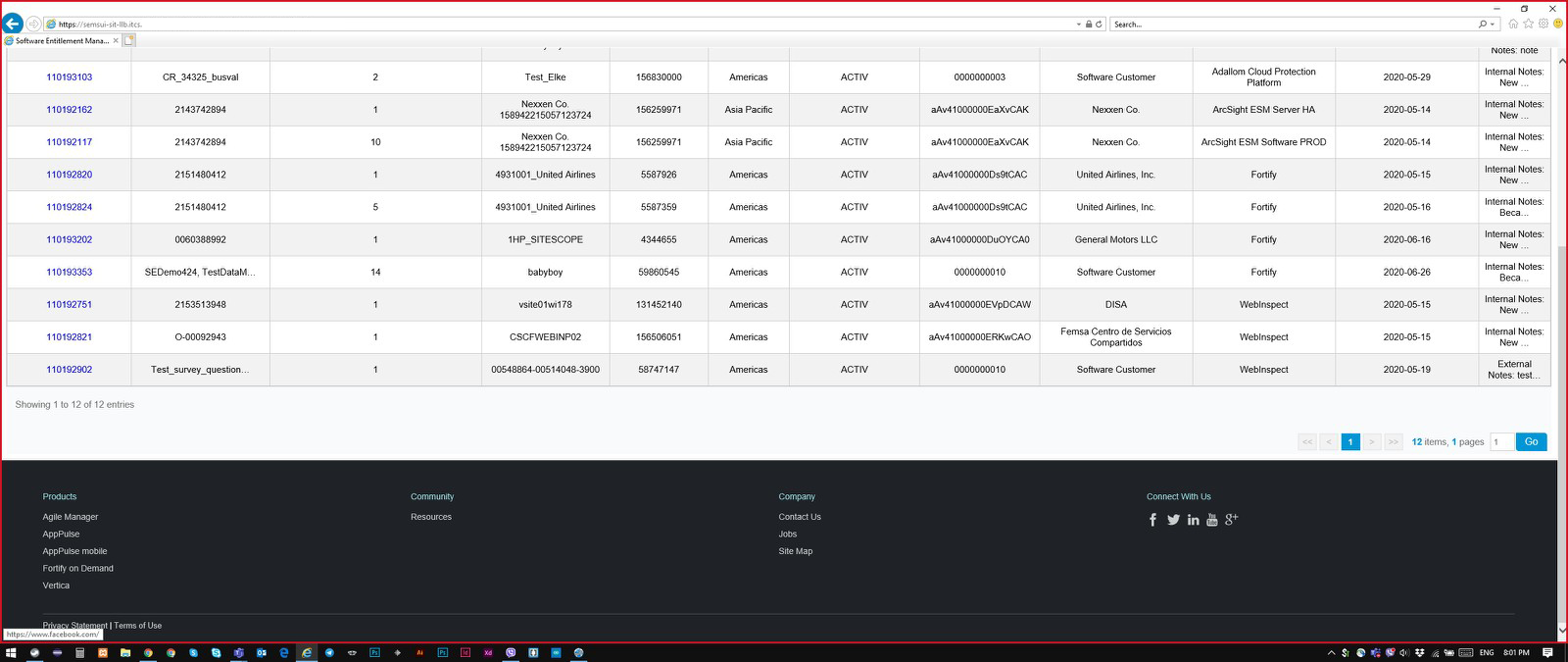
Functional dashboards were introduced for managers and license administrators to provide them with an overview of license usage, status, and other relevant metrics. These dashboards offered actionable insights, allowing users to make informed decisions and efficiently manage licenses.
4.5 Responsive Limited Version:
To accommodate users with lower resolution devices, a responsive limited version of the interface was developed. This version prioritized essential functionalities and streamlined the user interface for optimal performance on lower-resolution screens.

 Martin Marinov, Copyright © 2025
 Martin Marinov, Copyright © 2025
 Martin Marinov, Copyright © 2025
 Martin Marinov, Copyright © 2025
 Martin Marinov, Copyright © 2025